Crystal Clean Roofing provides residential and commercial roofing services, as well as gutter services to property owners
throughout Whidbey Island, Anacortes, Oak Harbor, Coupeville, Freeland, Greenbank, Langley, Clinton, and Western Skagit County.
Our team understands the demands that Pacific Northwest weather places on a roof -sustained rain, wind exposure, and salt air along the coastline.
We build our approach around materials and techniques suited to these conditions.
Every residential project begins with a full roof assessment, giving homeowners a clear picture of
current condition, remaining service life, and recommended next steps before any work begins.
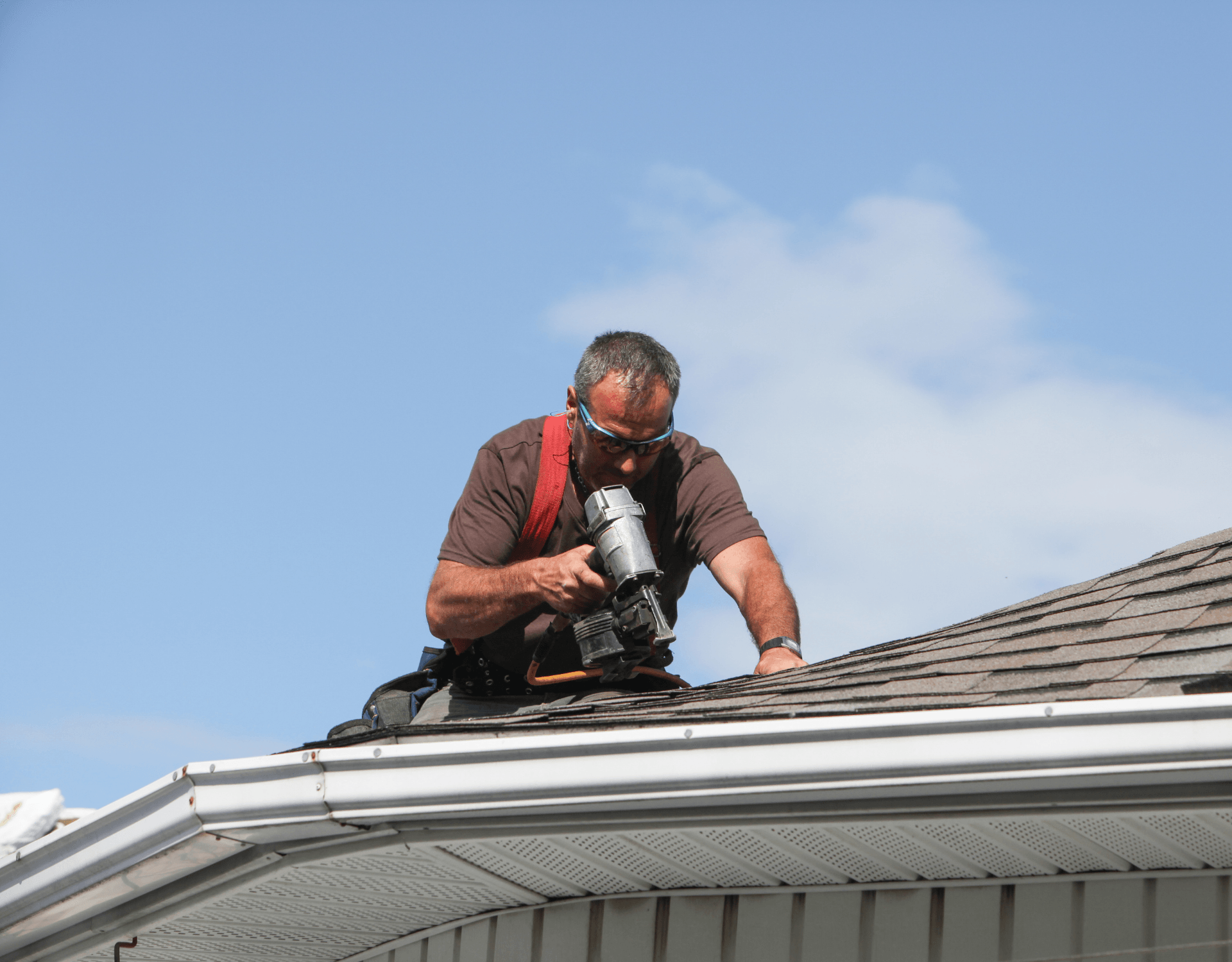
Whether you need a new roof installed, an existing roof repaired, routine cleaning to extend its lifespan,
or urgent attention after a storm, our licensed and insured crews deliver workmanship backed by manufacturer warranties.
Contact Crystal Clean Roofing today to schedule an inspection
and receive a detailed, no-obligation estimate.
EXPERT SERVICES INCLUDE


FAQs
Below are some frequently asked questions about our services, along with answers we hope will guide you in making a wise decision in what company you choose to work with for your project.
Please let us know if we may answer any other questions for you.
We're here to help!
How do I locate a trustworthy roofing contractor in my area?
Leverage Reviews and Personal Referrals
Beyond scanning ratings on platforms such as Yelp, Google, or HomeAdvisor, a personal referral from someone whose judgment you trust remains one of the most effective ways to identify a dependable contractor. Prioritize roofing companies that operate locally in your community — contractors with established ties to the area are more likely to stand behind their work long-term.
What criteria distinguish the best roofing company?
Key Factors When Ranking Roofing Contractors
• Seek contractors with a high volume of 5-star reviews — quantity matters as much as rating.
• Ask neighbors and friends for names of roofers who delivered excellent results for them.
• Avoid companies that solicit business door-to-door following storms; this is a red flag.
• Interview prospective contractors, evaluate how thoroughly and clearly they answer your questions.
• Observe their professionalism, responsiveness, and whether they follow a consistent process.
• Assess workmanship quality — look for ongoing training, experience, and manufacturer-backed warranties.
• Review all contract terms carefully and confirm that written agreements match verbal commitments.
How is roofing cost per square calculated?
Variables That Influence Roofing Price
Several factors determine what you pay per roofing square. Material type and brand, the complexity of your roof's geometry, labor rates, installation fees, and applicable taxes all factor into the final figure. Steep or intricate roof designs require more labor than straightforward pitches. After gathering several bids, compare them by scope of work rather than price alone. Financing options may be available through third-party lenders if you prefer to spread payments over time.
Is roofing work possible during rainy weather?
Rain Restrictions Apply Only to Tear-Off Phases
Roofing crews can continue most installation work during rainfall, with one key exception: the tear-off phase — which strips the existing roof and exposes the bare plywood decking — must not occur in rain. Once weatherproof underlayment has been laid over the deck, other roofing tasks can resume safely. Contractors who employ their own full-time crews (rather than subcontractors) have greater scheduling flexibility to work in sections during wet weather, ensuring each portion of the roof remains protected throughout the process.
Are roofing estimates typically free?
Always Confirm Before Scheduling
Before booking an initial appointment, ask whether the estimate carries any cost. Reputable contractors generally offer no-charge estimates that include an on-site visit, roof inspection and measurement, review of material options, and a written quote you can take with you at no obligation.
What qualifications should a roofing contractor hold?
Licensing, Insurance, and Relevant Experience
• The contractor must carry workers' compensation and general liability insurance covering all employees.
• They should be able to furnish copies of their state contractor's license and certificates of insurance on request.
• Verify they have completed projects comparable in type and scope to yours — ask to see a portfolio of past work including material types such as composite shingles, metal, cedar shake, TPO, and PVC.
What should I know before hiring a roofer?
Reviews, BBB Rating, and Manufacturer Certifications
Start by reading the contractor's online reviews and checking their Better Business Bureau profile. Beyond that, ask about manufacturer certifications. These credentials require contractors to meet installation standards set by roofing material manufacturers — standards stringent enough that the manufacturer is willing to warranty the contractor's workmanship. Certified installers can pass those manufacturer-backed warranties on to you, providing long-term protection underwritten by both the contractor and the materials supplier.
How much does hiring a roofer cost?
Price Is One Factor Among Several
A new roof is a significant investment in your property. That said, neither the cheapest nor the most expensive bid is automatically the right choice. After collecting several estimates, compare the scope of work proposed by each contractor alongside the price. Prioritize trust, credentials, and documented quality. Once you've selected a contractor, inquire whether financing is available if spreading out payments is important to you.
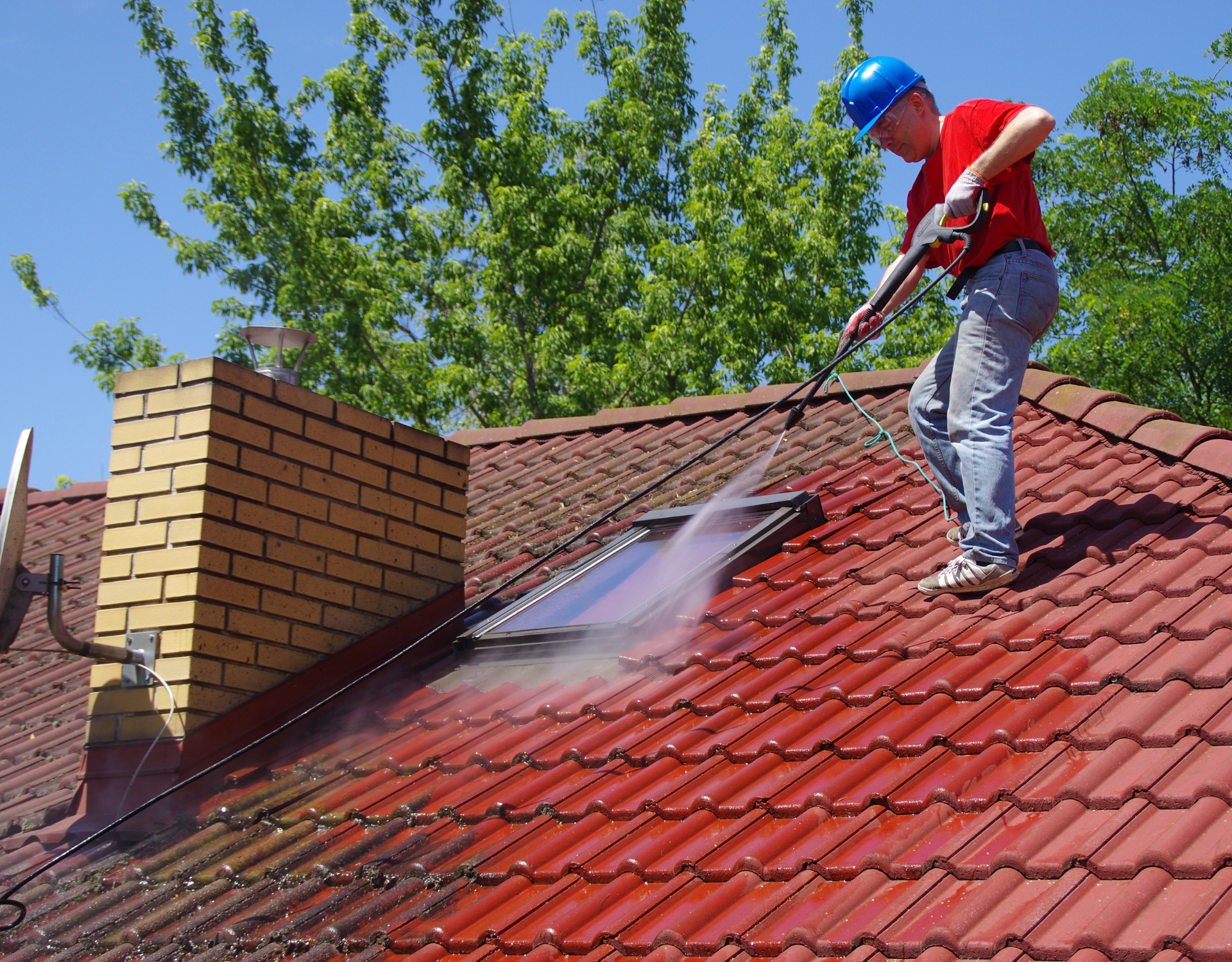
How should I clean my roof without causing damage?
Roof Cleaning: What to Do and What to Avoid
Improper cleaning is a leading cause of premature roof failure. The following guidelines apply to asphalt composite shingles.
What Not to Do
Do not pry up shingles.
Asphalt shingles have a factory-applied adhesive strip along their lower edge that bonds them against wind uplift. Lifting an older shingle can break that seal permanently, allowing shingles to separate during windstorms.
Do not pressure wash.
The granules embedded in shingle surfaces protect the underlying asphalt and fiberglass mat from ultraviolet degradation. High-pressure water strips those granules, accelerates weathering, and can physically cut into the mat beneath. Metal roofs can be safely powe washed.
Do not install zinc strips.
Zinc strips are sometimes marketed as a moss deterrent. In practice, the zinc runoff from these strips is insufficient to control moss and algae in wet climates. The nails used to secure them introduce unnecessary penetrations into the roof — a risk that outweighs any marginal benefit.
What to Do
Apply a zinc oxide-based treatment.
Zinc oxide powder or liquid solution effectively kills existing moss and algae. Results are gradual — the growth dies off and sloughs away over time. You can accelerate removal by brushing gently in a top-down direction (ridge to eave, following shingle orientation). These treatments are widely available at hardware stores.
Treat every 2–3 years.
Most roofs benefit from reapplication every two to three years. In heavily treed environments where organic debris accumulates, treat at the first sign of moss or algae rather than waiting for a fixed interval.
Hire a cleaning specialist if needed.
If you prefer not to do it yourself, seek a contractor who specializes in roof cleaning and treatment rather than a general roofer who offers cleaning as a secondary service. Check reviews and verify they understand the limitations described above.
What roofing material lasts the longest?
Material + Installer Quality Determines Lifespan
Across all material types — composite shingles, PVC/TPO flat membranes, cedar shake, synthetic shingles, and metal — the combination of a quality manufacturer and a competent installer is the primary determinant of lifespan. A well-installed quality roof of any type should deliver approximately 30 years of service.
Understanding Warranty Language
Most manufacturers now advertise 'lifetime' warranties. In practical terms this typically means 50 years per the fine print. A realistic planning horizon of 30 years with appropriate maintenance is reasonable regardless of nominal warranty length.
Composite Shingles
The standard choice for pitched roofs. Significant variation exists across brands. Products from established manufacturers designed for Pacific Northwest conditions often incorporate copper-coated granules that inhibit algae growth, reducing maintenance frequency. Choose a style and profile that fits your budget and aesthetic preference.
Cedar Shake Shingles
Cedar shake delivers a distinctive regional appearance. For longevity, specify pressure-treated (CCA) shakes at a minimum thickness of 5/8", with 3/4" or 7/8" preferred to reduce cupping and curling over time. Ask prospective contractors where they source their shakes and whether they inspect individual bundles for quality — a contractor who takes pride in their materials should be able to answer these questions in detail.
Metal Roofing
Metal roofing offers a contemporary look and long service life. Because panels and flashing are custom-fabricated on-site, installer craftsmanship is more critical here than with other material types. Specify 24-gauge or 26-gauge steel and require Kynar paint finish — the coating quality is directly tied to the metal's corrosion resistance. All metal roofing originates from the same steel mills regardless of end manufacturer; the installer is the deciding variable.
TPO/PVC Flat Roofing
These thermoplastic membranes have largely replaced torch-down and hot-tar applications for low-slope roofs. They last longer, require no recoating, and provide better energy efficiency. Proper installation requires a vapor barrier, fan-fold insulation, correct membrane ventilation, and a correctly prepared roof deck. Ask contractors whether they hold 'recognized installer' status from the membrane manufacturer — many manufacturers require certification before they will honor material warranties.
How many estimates should I get and what should I look for?
3–4 Estimates Is the Recommended Range
Most homeowners purchase a roof only twice in their lifetime. Three to four estimates gives you meaningful comparison data without generating so much information that distinguishing between contractors becomes difficult. Collecting too many bids can lead to decision fatigue and the risk of choosing based on convenience rather than fit.
Vet Each Contractor Before Inviting Them to Bid
• Search each contractor's name online and review their presence on Yelp, Google, and HomeAdvisor before contacting them.
• Read reviews carefully, with particular attention to how the contractor handled any problems or complaints — resolution quality is often more revealing than the presence of complaints alone.
• Review photos of completed projects; consider whether active job-site photos suggest an organized operation.
• Verify current licensing status with your state's labor and industries department before any contractor sets foot on your property.
Contractor Communication Is a Signal
Pay attention to how comfortable you feel communicating with each estimator. A contractor who answers questions openly, provides references willingly, and explains their process clearly is demonstrating the same behavior you'll need from them throughout the project. Roofing is a service delivered by people — your confidence in the crew matters as much as the materials they install.